Mindfulness practices trends 2026 are shaping up to look different from anything we’ve seen before. Technology, workplace culture, and environmental awareness are converging to reshape how people approach mental wellness. The global mindfulness market reached over $2.5 billion in 2024, and growth shows no signs of slowing. What’s changing? Apps are getting smarter, offices are getting calmer, and even a three-minute breathing exercise counts as progress. This article breaks down the key mindfulness practices trends 2026 will bring, from AI-driven meditation coaches to forest bathing sessions replacing coffee breaks. Whether someone is a seasoned practitioner or just curious about starting, these shifts matter.
Table of Contents
ToggleKey Takeaways
- AI-powered mindfulness tools will personalize meditation sessions using real-time biometric data like heart rate and stress indicators by 2026.
- An estimated 60% of Fortune 500 companies will offer structured mindfulness training programs to reduce burnout and boost employee satisfaction.
- Micro-mindfulness practices lasting just one to five minutes deliver stress-reduction benefits comparable to longer sessions, making consistency more achievable.
- Eco-mindfulness approaches like forest bathing combine traditional techniques with nature immersion to lower cortisol levels and address climate anxiety.
- Mindfulness practices trends 2026 prioritize accessibility, meeting busy individuals where they are with quick, tech-enabled, and nature-based options.
The Rise of AI-Powered Mindfulness Tools
Artificial intelligence is changing how people practice mindfulness. By 2026, AI-powered meditation apps will offer personalized sessions based on real-time biometric data. Heart rate variability, sleep patterns, and stress indicators will inform custom breathing exercises and guided meditations.
Companies like Calm and Headspace have already begun integrating machine learning into their platforms. These tools analyze user behavior to suggest optimal practice times and techniques. A morning person might receive energizing breath work recommendations, while someone who struggles with evening anxiety gets calming visualizations before bed.
Wearable devices play a big role here. Smartwatches and fitness bands now track stress levels throughout the day. When cortisol spikes, users receive gentle nudges to take a mindfulness break. This immediate feedback loop makes mindfulness practices trends 2026 more responsive than ever.
Voice-activated AI assistants are also stepping in. Imagine asking Alexa or Google Assistant for a two-minute body scan during a hectic afternoon. These interactions feel natural and remove barriers to practice. No app to open, no playlist to choose, just immediate support.
Critics worry about over-reliance on technology for something inherently human. That’s a fair concern. But for many people, AI tools serve as a bridge. They lower the entry point and build habits that eventually become self-sustaining. The mindfulness practices trends 2026 will emphasize aren’t replacing human connection, they’re supplementing it.
Workplace Mindfulness Programs Expand
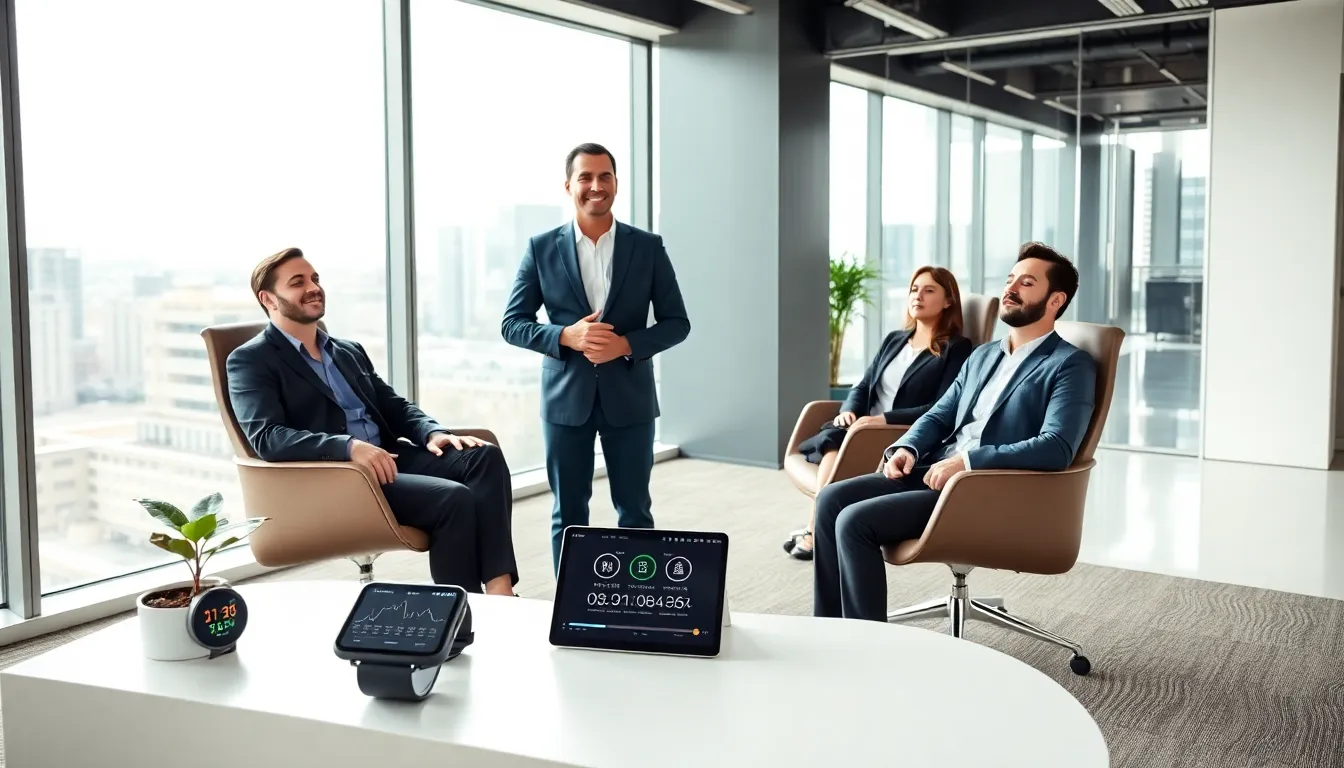
Corporate wellness programs are doubling down on mindfulness. By 2026, an estimated 60% of Fortune 500 companies will offer structured mindfulness training to employees. This isn’t just yoga mats in conference rooms. It’s systematic, evidence-based programming.
The business case is clear. Studies show mindfulness reduces burnout, improves focus, and lowers healthcare costs. One 2024 study from the American Psychological Association found that employees who practiced mindfulness regularly reported 23% higher job satisfaction.
What do these programs look like? They range from weekly group meditation sessions to app subscriptions and one-on-one coaching. Some companies hire full-time mindfulness directors. Others partner with external providers to deliver lunch-and-learn workshops.
Remote work has accelerated this trend. Distributed teams lack the organic social moments that help regulate stress. Virtual mindfulness sessions fill that gap. A ten-minute guided meditation at the start of a Zoom meeting sets a different tone than jumping straight into agenda items.
Leadership buy-in matters. When executives practice mindfulness openly, it signals permission for everyone else. Some CEOs now share their meditation habits in company newsletters or town halls. This visibility normalizes the practice and reduces stigma.
Mindfulness practices trends 2026 in the workplace will likely include more measurement. Companies want data. Expect anonymous surveys tracking stress levels, engagement scores, and productivity metrics tied to wellness initiatives. The organizations that succeed will treat mindfulness as infrastructure, not a perk.
Micro-Mindfulness and Time-Efficient Practices
Not everyone has 30 minutes to meditate. Micro-mindfulness addresses this reality. These are short, focused practices lasting one to five minutes. They fit into busy schedules without demanding major lifestyle changes.
Examples include:
- Box breathing: Inhale for four counts, hold for four, exhale for four, hold for four. Repeat twice.
- Sensory grounding: Notice five things you can see, four you can hear, three you can touch, two you can smell, one you can taste.
- Mindful transitions: Take three conscious breaths before switching tasks or entering a meeting.
Research supports the effectiveness of brief practices. A 2023 study published in Mindfulness journal found that participants who completed five-minute sessions three times daily showed similar stress reduction to those doing one 20-minute session.
Apps are adapting. Many now offer “micro-meditation” libraries with sessions under three minutes. These quick hits work well for skeptics or beginners who find longer practices intimidating.
The mindfulness practices trends 2026 will prioritize accessibility. The goal is meeting people where they are. A parent with young children, a nurse on a 12-hour shift, a student cramming for exams, all can benefit from practices that require minimal time and no special equipment.
Consistency beats duration. A daily two-minute practice builds more lasting neural pathways than occasional hour-long retreats. Micro-mindfulness makes consistency achievable.
Nature-Based and Eco-Mindfulness Approaches
Spending time outdoors improves mental health. This isn’t news. But eco-mindfulness takes the connection further. It combines traditional mindfulness techniques with ecological awareness and environmental engagement.
Forest bathing, or shinrin-yoku, originated in Japan and has spread globally. Participants walk slowly through wooded areas, focusing on sensory experiences, the smell of pine, the sound of leaves, the texture of bark. Studies show forest bathing lowers cortisol levels and blood pressure.
By 2026, expect more structured eco-mindfulness offerings. Retreat centers are adding programs that blend meditation with conservation activities. Participants might spend mornings in silent practice and afternoons planting trees or restoring wetlands. The combination creates meaning beyond personal wellness.
Urban dwellers aren’t left out. City parks, rooftop gardens, and even houseplants can anchor nature-based practice. The key is intentional attention. Watching a bird, tending a small herb garden, or simply sitting under a tree all count.
Climate anxiety is real for many people. Eco-mindfulness offers a response. Instead of feeling overwhelmed by environmental news, practitioners channel concern into presence and action. This shift, from passive worry to engaged awareness, supports both mental health and planetary health.
Mindfulness practices trends 2026 will reflect growing interest in this intersection. Programs that connect inner calm with outer responsibility resonate with values-driven practitioners, especially younger generations.