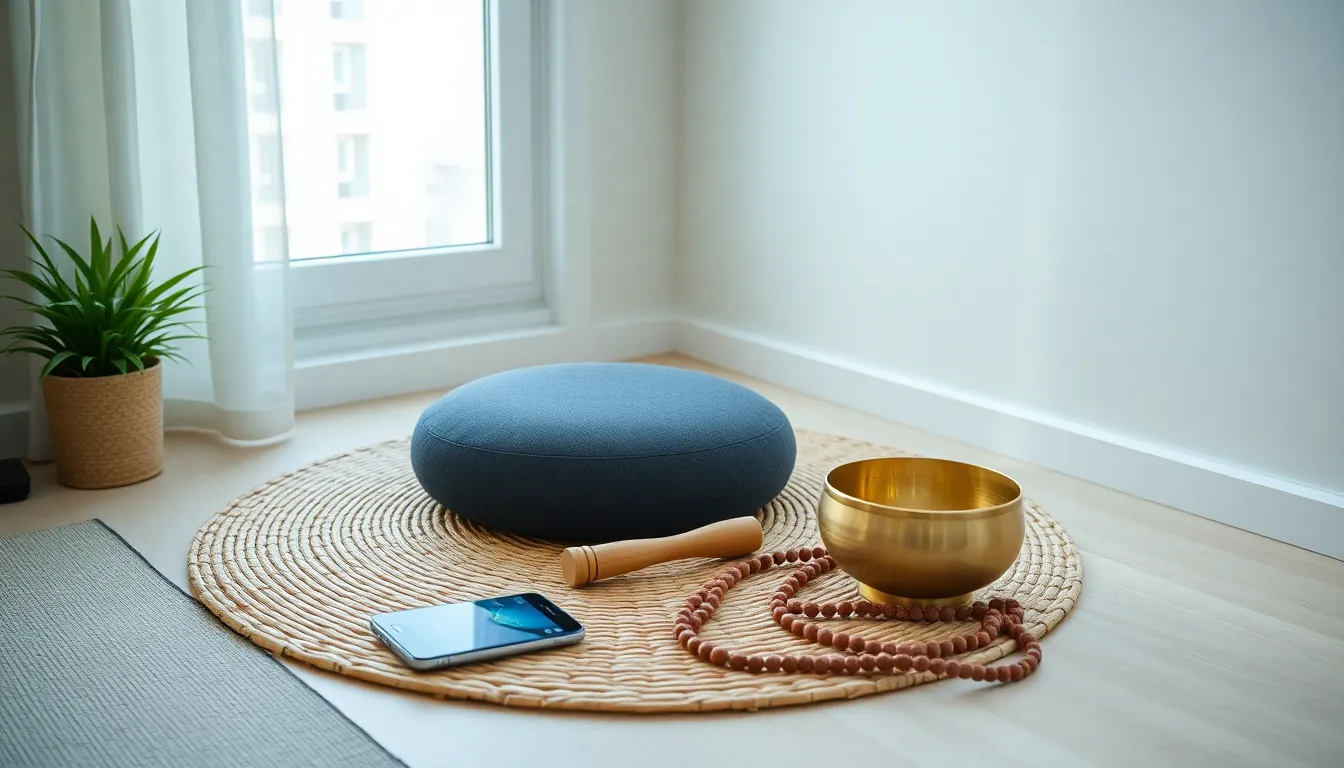
Mindfulness practices tools help people build consistent habits for mental clarity and emotional balance. These tools range from smartphone apps to simple physical objects like meditation cushions and singing bowls. Whether someone is new to mindfulness or has practiced for years, the right tools can make a significant difference in staying focused and committed.
This guide covers the most effective mindfulness practices tools available today. Readers will learn what these tools are, how to select the best options for their needs, and how to weave them into daily life. The goal is simple: help people show up more fully in each moment.
Table of Contents
ToggleKey Takeaways
- Mindfulness practices tools include both digital resources (apps, guided audio) and physical aids (cushions, mala beads, journals) that support present-moment awareness.
- Popular meditation apps like Headspace, Calm, and Insight Timer offer guided sessions, progress tracking, and reminders to help build consistent habits.
- Choose mindfulness tools based on your experience level, lifestyle, and personal preferences—beginners often benefit from guided apps, while experienced practitioners may prefer simple timers.
- Physical tools like meditation cushions and singing bowls create a dedicated space and sensory experience that anchors your practice.
- Integrate mindfulness practices tools into your routine by linking meditation to existing habits, keeping tools visible, and starting with short five-minute sessions.
- Consistency matters more than perfection—rotate tools, track progress lightly, and focus on building a sustainable practice over time.
What Are Mindfulness Practices Tools?
Mindfulness practices tools are any resources that support present-moment awareness. They help users focus attention, reduce distractions, and build meditation habits over time.
These tools fall into two main categories: digital and physical. Digital tools include apps, guided audio sessions, and online courses. Physical tools include items like meditation cushions, timers, mala beads, and journals.
The purpose of mindfulness practices tools is to remove friction from the practice itself. A good tool doesn’t complicate things, it simplifies them. For example, a meditation app can provide structure for beginners who don’t know where to start. A comfortable cushion can help someone sit longer without physical discomfort.
Mindfulness tools also serve as cues. Seeing a meditation cushion in a corner or receiving a daily reminder from an app can prompt someone to pause and practice. This matters because consistency is the biggest challenge most people face with mindfulness.
It’s worth noting that tools are aids, not requirements. People practiced mindfulness for thousands of years without smartphones or fancy equipment. But in a world full of distractions, the right mindfulness practices tools can provide the structure and support many people need to actually follow through.
Essential Tools for Daily Mindfulness Practice
Meditation Apps and Digital Resources
Meditation apps have become the most popular mindfulness practices tools for good reason. They’re accessible, affordable, and packed with features.
Headspace offers guided meditations organized by theme, stress, sleep, focus, and more. Its animations and friendly tone make it great for beginners. Calm provides similar features with an emphasis on sleep stories and relaxing soundscapes. Insight Timer takes a different approach, offering thousands of free meditations from teachers around the world.
These apps typically include:
- Guided meditation sessions (ranging from 3 to 60 minutes)
- Progress tracking and streak counters
- Reminders to practice
- Specialized programs for anxiety, sleep, or productivity
Beyond apps, YouTube hosts countless free guided meditations. Podcasts like “Ten Percent Happier” blend mindfulness instruction with interviews and practical advice.
Digital mindfulness practices tools work well for people who want variety and structure. They’re especially useful for those who travel frequently or prefer practicing at home.
Physical Tools and Traditional Aids
Physical mindfulness tools create a dedicated space and sensory experience for practice.
Meditation cushions (zafus) elevate the hips and tilt the pelvis forward. This position reduces strain on the lower back and makes sitting more comfortable. Meditation benches offer an alternative for those who find cross-legged positions difficult.
Mala beads are strings of 108 beads used to count mantras or breaths. The tactile experience of moving from bead to bead helps anchor attention.
Singing bowls and chimes produce resonant tones that signal the start or end of a session. The sound itself can become a focus point for meditation.
Mindfulness journals encourage users to reflect on their practice and track patterns in their thoughts and emotions. Writing after meditation can deepen self-awareness.
These physical mindfulness practices tools appeal to people who prefer offline experiences or want to create a specific atmosphere for their practice.
How to Choose the Right Mindfulness Tools for You
Selecting mindfulness practices tools depends on three factors: experience level, lifestyle, and personal preferences.
Experience level matters. Beginners often benefit from guided meditation apps that provide clear instruction. Someone with years of experience might prefer a simple timer and silence. Start with tools that offer guidance, then simplify as skills develop.
Consider lifestyle and schedule. A busy professional who commutes might use an app during lunch breaks. A parent with young children might prefer a five-minute audio session while kids nap. Someone working from home could set up a dedicated meditation corner with cushions and a singing bowl. Match the tools to the rhythm of daily life.
Personal preferences play a big role. Some people love technology and data tracking. Others find screens distracting and prefer physical tools. Neither approach is better, the best mindfulness practices tools are the ones that actually get used.
Here are some questions to guide the decision:
- Do I prefer guidance or silence during meditation?
- Am I more motivated by streak tracking and progress metrics?
- Do I have space for physical tools at home?
- How much am I willing to spend?
Many people find a combination works best. They might use an app for guided sessions and a physical timer for unguided practice. Experimenting with different mindfulness practices tools helps identify what sticks.
Integrating Mindfulness Tools Into Your Routine
Owning mindfulness practices tools doesn’t guarantee a consistent practice. The key is building systems that make mindfulness automatic.
Start with a specific time and place. Link meditation to an existing habit. Practice right after waking up, during a lunch break, or before bed. Consistency in timing builds momentum.
Keep tools visible. Place a meditation cushion in a spot that’s hard to ignore. Set the app icon on the phone’s home screen. Visual cues trigger action.
Begin with short sessions. Five minutes is enough to start. Apps like Headspace offer three-minute meditations for this reason. Short sessions feel achievable and reduce resistance.
Use reminders strategically. Most meditation apps send push notifications. Set these for times when practice is most likely to happen, not random moments that get dismissed.
Track progress without obsession. Seeing a streak grow can motivate continued practice. But don’t let a broken streak derail the whole habit. The goal is presence, not perfection.
Rotate tools to stay engaged. If one app feels stale, try another. Alternate between guided and silent meditation. Add a journal practice once or twice a week. Variety keeps mindfulness practices tools fresh and interesting.
The best routine is one that feels sustainable. Small, consistent efforts compound over time. Mindfulness practices tools simply make those efforts easier to maintain.