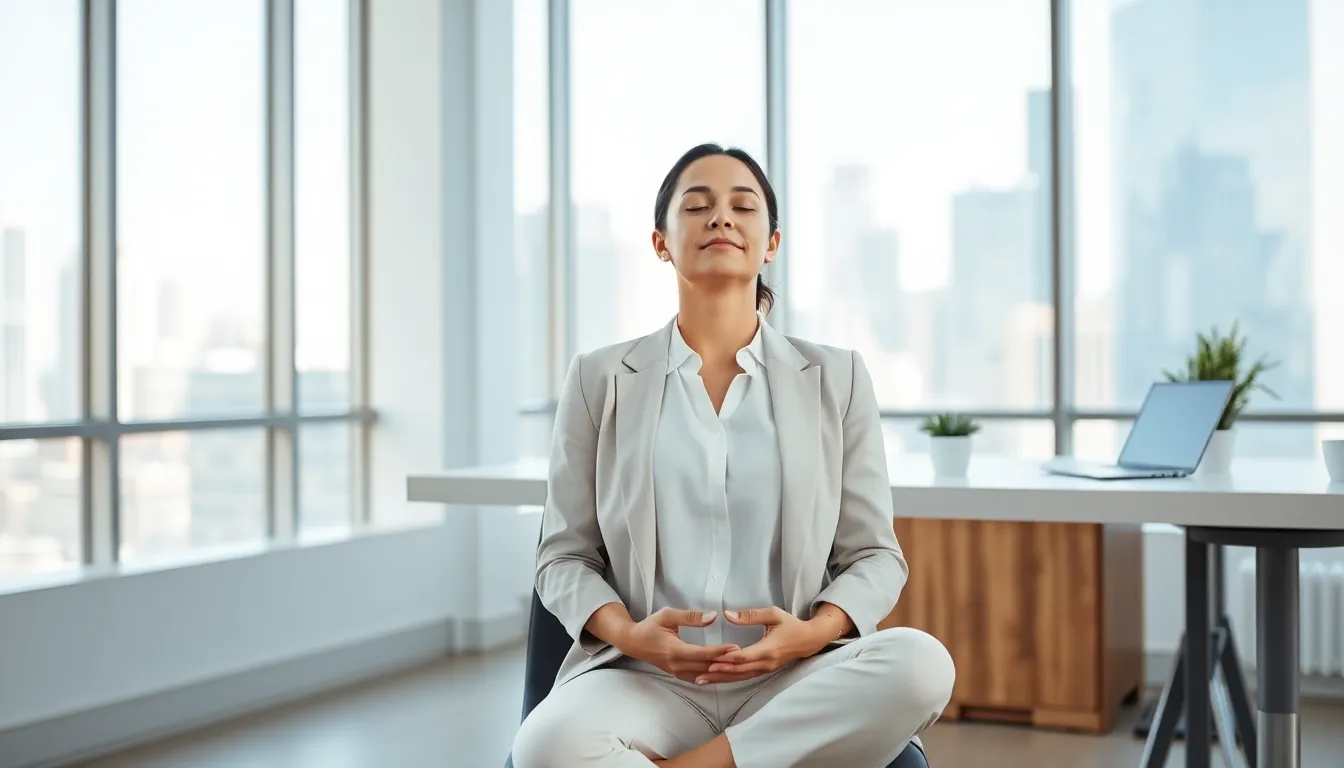
The best mindfulness practices offer a simple way to reduce stress, improve focus, and feel more present in everyday moments. People often assume mindfulness requires hours of meditation or a complete lifestyle overhaul. That’s not true. Even five minutes of intentional awareness can shift how someone experiences their day.
This article covers proven mindfulness practices that fit into any schedule. From breathing exercises to body scans to mindful walking, these techniques work for beginners and experienced practitioners alike. They don’t require special equipment or training. They just need consistency and a willingness to slow down.
Table of Contents
ToggleKey Takeaways
- The best mindfulness practices require just five minutes daily to reduce stress, improve focus, and increase present-moment awareness.
- Breathing exercises like box breathing and 4-7-8 breathing offer immediate stress relief by activating the body’s relaxation response.
- Body scan meditation helps identify hidden tension in the body and can reduce chronic pain perception.
- Mindful walking and everyday activities like dishwashing can serve as effective mindfulness practices for those who struggle with seated meditation.
- Building a consistent routine by anchoring mindfulness to existing habits is more effective than occasional long sessions.
- Short, daily practice creates stronger neural pathways than sporadic intensive sessions—consistency beats intensity.
What Is Mindfulness and Why Does It Matter
Mindfulness means paying attention to the present moment without judgment. It involves noticing thoughts, feelings, and sensations as they happen. Rather than getting lost in worries about the future or regrets about the past, mindfulness brings awareness back to right now.
Research supports the benefits of mindfulness practices. A 2023 study published in JAMA Internal Medicine found that mindfulness meditation reduces symptoms of anxiety and depression. Other studies show improvements in sleep quality, emotional regulation, and even immune function.
Why does this matter for daily life? Most people spend a significant portion of their day on autopilot. They eat without tasting, walk without noticing, and talk without truly listening. Mindfulness practices interrupt this pattern. They create space between stimulus and response, which leads to better decisions and less reactive behavior.
The best mindfulness practices share common elements. They involve focused attention, acceptance of the present experience, and gentle redirection when the mind wanders. And the mind will wander, that’s normal. The practice lies in noticing the drift and returning to awareness.
Breathing Exercises for Stress Relief
Breathing exercises rank among the best mindfulness practices for immediate stress relief. The breath serves as an anchor to the present moment. It’s always available and requires no special tools.
Box Breathing
Box breathing follows a simple pattern: inhale for four counts, hold for four counts, exhale for four counts, hold for four counts. Navy SEALs use this technique to stay calm under pressure. It activates the parasympathetic nervous system and slows the heart rate.
4-7-8 Breathing
Developed by Dr. Andrew Weil, 4-7-8 breathing involves inhaling for four counts, holding for seven counts, and exhaling for eight counts. This extended exhale triggers a relaxation response. Many people use it before sleep or during moments of acute stress.
Diaphragmatic Breathing
Also called belly breathing, this technique involves breathing deeply into the diaphragm rather than shallowly into the chest. Place one hand on the chest and one on the belly. The belly should rise more than the chest during inhalation.
These breathing exercises work quickly. Even two minutes of focused breathing can reduce cortisol levels and create a sense of calm. The key is consistent practice, not perfection.
Body Scan Meditation
Body scan meditation teaches people to notice physical sensations throughout the body. It’s one of the best mindfulness practices for building awareness of how stress manifests physically.
Here’s how it works: lie down or sit comfortably. Start at the top of the head and slowly move attention through each body part, forehead, jaw, neck, shoulders, arms, hands, chest, belly, hips, legs, feet. Notice any tension, warmth, tingling, or numbness without trying to change it.
Many people discover they hold tension in places they never noticed before. A clenched jaw. Tight shoulders. A knot in the stomach. Body scan meditation makes these patterns visible.
This mindfulness practice takes anywhere from five to forty-five minutes. Beginners often start with shorter sessions. Apps and guided audio recordings can help those who find it difficult to maintain focus on their own.
Research from the University of Massachusetts Medical School shows that body scan meditation reduces chronic pain perception. Participants reported feeling more in control of their physical experience, even when pain levels remained the same. The practice changes the relationship with discomfort rather than eliminating it.
Mindful Movement and Walking
Not all mindfulness practices require sitting still. Mindful movement and walking bring awareness to the body in motion.
Mindful Walking
Mindful walking involves paying attention to each step. Notice the feet making contact with the ground. Feel the shift in weight from one leg to the other. Observe the arms swinging naturally.
This practice works anywhere, a park, a hallway, even pacing in a small room. Speed doesn’t matter. What matters is attention.
Yoga and Tai Chi
Yoga and tai chi blend physical movement with mindfulness. Both practices emphasize breath awareness and present-moment focus. They build strength and flexibility while training the mind to stay grounded.
These movement-based mindfulness practices appeal to people who struggle with seated meditation. The physical engagement gives the restless mind something concrete to focus on.
Everyday Movement
Mindfulness can apply to any physical activity. Washing dishes. Folding laundry. Gardening. The best mindfulness practices meet people where they are. If sitting meditation feels impossible, start with mindful movement during routine tasks.
The goal remains the same: full attention on the present experience. When thoughts wander to planning dinner or replaying a conversation, gently return focus to the physical sensations of the activity.
How to Build a Consistent Mindfulness Routine
Knowing the best mindfulness practices means nothing without consistent application. Building a routine requires strategy, not willpower.
Start Small
Five minutes daily beats thirty minutes once a week. The brain learns through repetition. Short, frequent practice sessions create stronger neural pathways than occasional long ones.
Anchor to Existing Habits
Attach mindfulness to something already part of the daily routine. Practice breathing exercises after brushing teeth. Do a body scan before bed. Try mindful walking during a lunch break. These anchors reduce the mental effort required to remember the practice.
Choose a Consistent Time
Morning works well for many people because the day’s demands haven’t yet taken over. Others prefer evening sessions to decompress. The best time is whenever practice actually happens.
Track Progress
A simple check mark on a calendar builds motivation. Seeing a streak of consistent practice creates accountability. Some people use apps that track meditation minutes and send reminders.
Expect Setbacks
Missing a day, or a week, doesn’t erase progress. Mindfulness practices involve returning again and again, both within sessions and across time. The returning is the practice.
Consistency matters more than intensity. Someone who practices mindfulness for five minutes every day for a year will see more benefits than someone who does an hour-long session sporadically.